%20800x138px.png?width=200&height=35&name=I%20Can%20Read%20Marketing%20Logo%20(White%20Background)%20800x138px.png "I Can Read Marketing Logo (White Background) 800x138px")


运用讲故事技巧提高听力理解力和课堂参与度
如何将自然拼读法融入学前阅读,以促进早期读写能力的发展成效
提高儿童读写能力,确保语言成功
【博客】双语书籍对幼儿早期识字的好处

Is My Child Ready for Primary 1 English? A Readiness Checklist
When a child is in K2, many parents in Singapore quietly begin to worry about whether they are ready for Primary 1.
Why Phonics Matters: What It Changes in How a Child Reads
There are two ways a young child can identify a written word. They can recognise it because they have seen it before, or they can work it out using th…
Blending and Segmenting: The Two Skills Behind Reading
If your child's teacher has mentioned blending or segmenting, you have met the two skills that sit underneath everything else in early reading.

Reading and Phonics Classes Near You: I Can Read Centres by Neighbourhood
The best reading programme for your child is the one you can actually get to every week. A slightly better class across the island loses to a good cla…
How to Teach Phonics at Home: A Step-by-Step Guide for Singapore Parents
You do not need to be a teacher to support your child’s phonics learning at home. What matters most is building the right skills progressively, starti…
Phonics for Kids: What It Covers at Every Age, 2.5 to 12
Parents usually see the word "phonics", around the time their child is three or four years old. Many assume that “phonics” describes a single thing th…
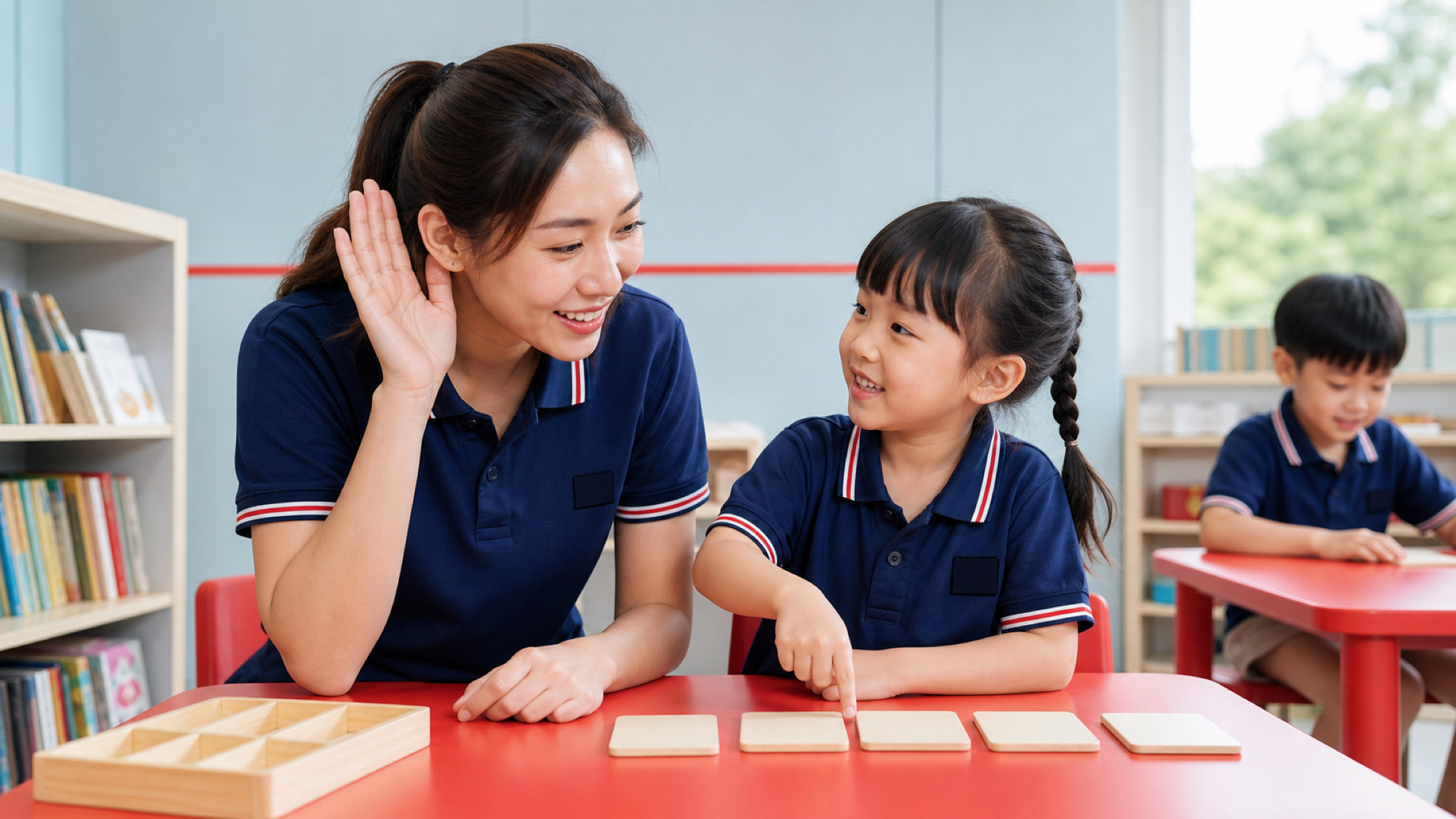
What Age Should a Child Start Phonics in Singapore?
The short answer: many children in Singapore begin structured phonics between four and five years old, around N2 or K1, but readiness matters more tha…
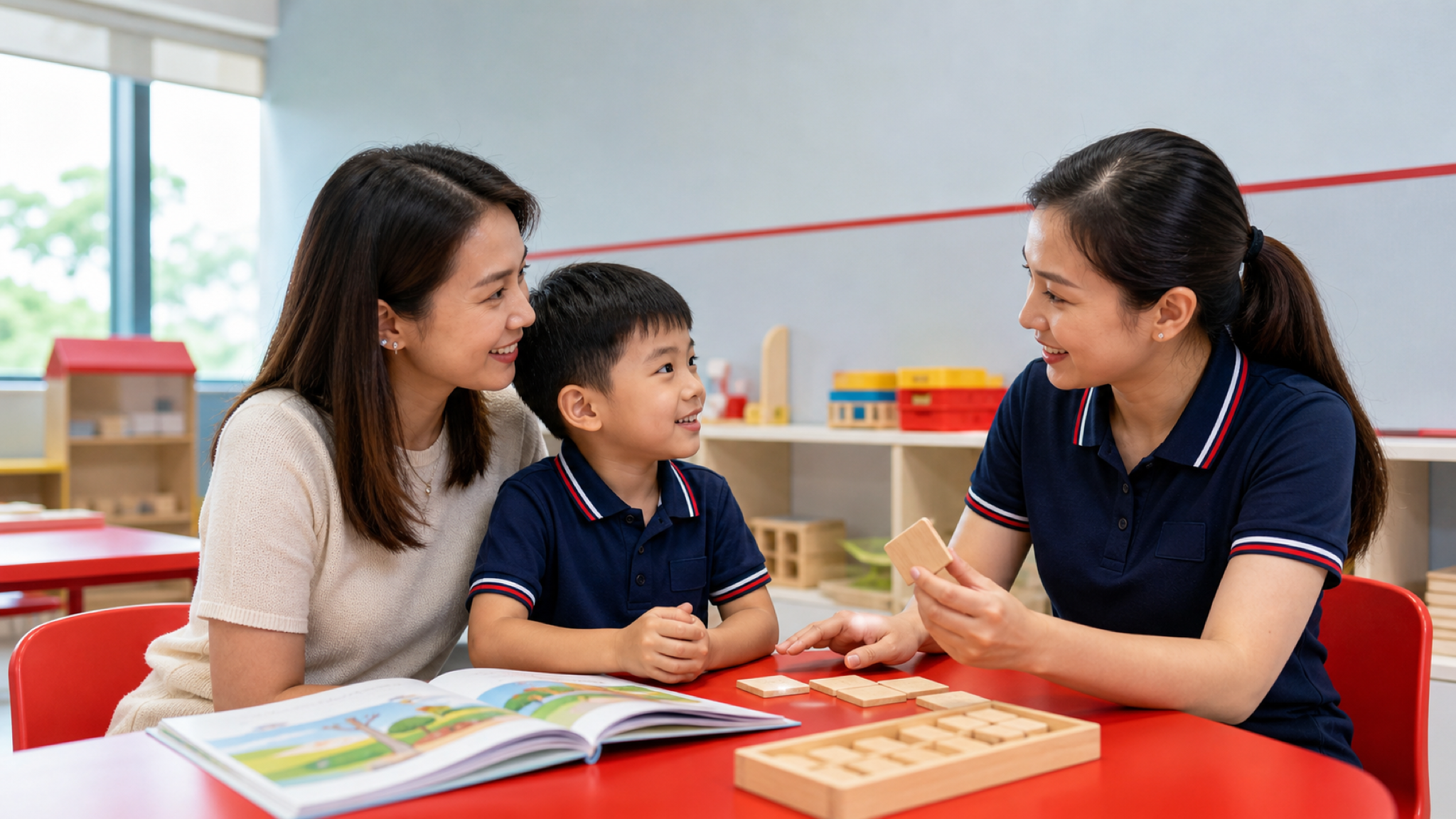
How to Choose a Phonics Class in Singapore: A Parent's Checklist
There are many phonics classes in Singapore, but the key is finding the right fit for your child.
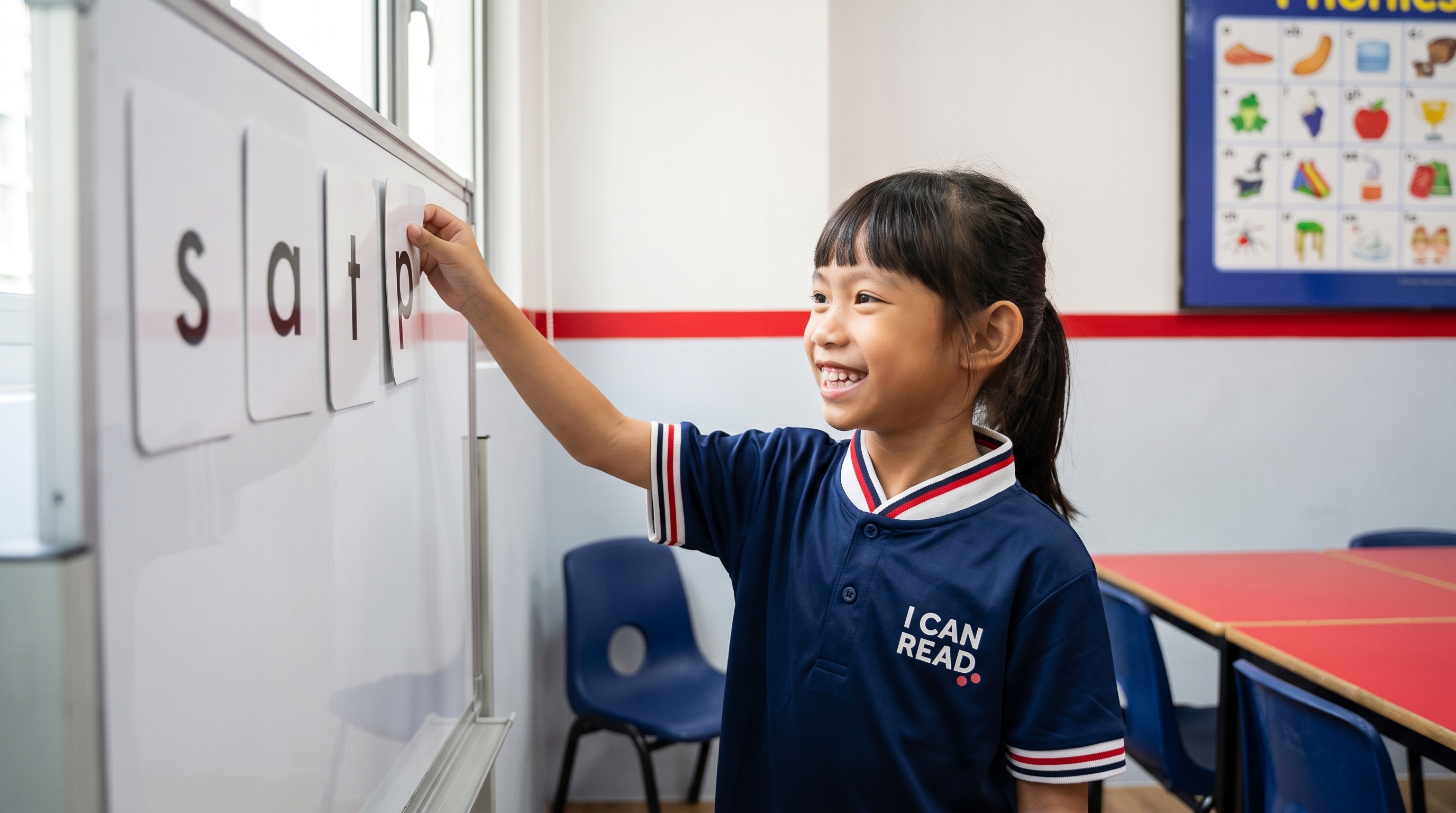
What Is Phonics — and How Does It Fit Into Learning to Read?
Phonics is a way of teaching reading that links the sounds of spoken English to the letters and letter patterns that represent them — so children can …
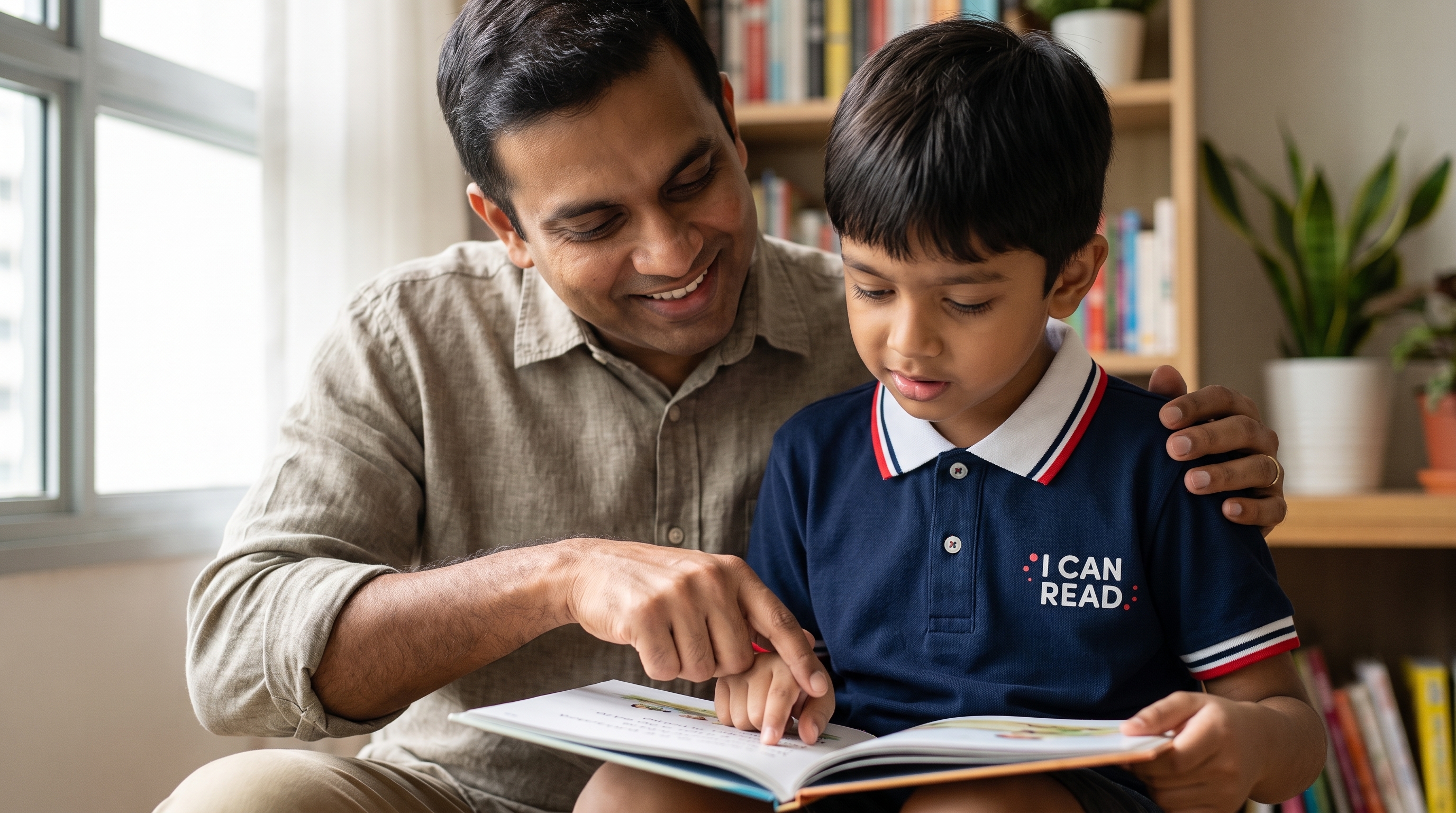
Is My Child Struggling to Read? Signs to Look For — and How to Help
Common signs a child is struggling to read include avoiding or dreading reading, sounding out words slowly and with great effort, guessing instead of …
What's the Best Age to Start Learning Phonics and How to Read?
There's no single “best” age — most children become ready for early reading and phonics somewhere between about 2.5 and six. What matters more than th…
How to Teach Your Child to Read: A Step-by-Step Guide for Singapore Parents
To teach your child to read, build the skills in a natural order — spoken language and listening first, then awareness of the sounds in words, then ma…

7 Tips for Effective Parent-Teacher Communication in Literacy Education
Parents and teachers share a common goal –– ensuring the academic success and overall well-being of each child.
What Parents Need to Know About Phonics for Preschoolers
Did you know that your child starts building reading skills long before they ever open a book? It all begins with learning the different sounds that m…

4 Ways To Develop Positive Reinforcement In Your Children At Home
Positive Reinforcement at I Can Read As parents, we often hear about how sparing the rod may spoil the child, but in this day and age where corporal p…
What is Phonics And How Does It Accelerate Learning?
“The more that you read, the more things you will know. The more that you learn, the more places you'll go.” ― Dr. Seuss
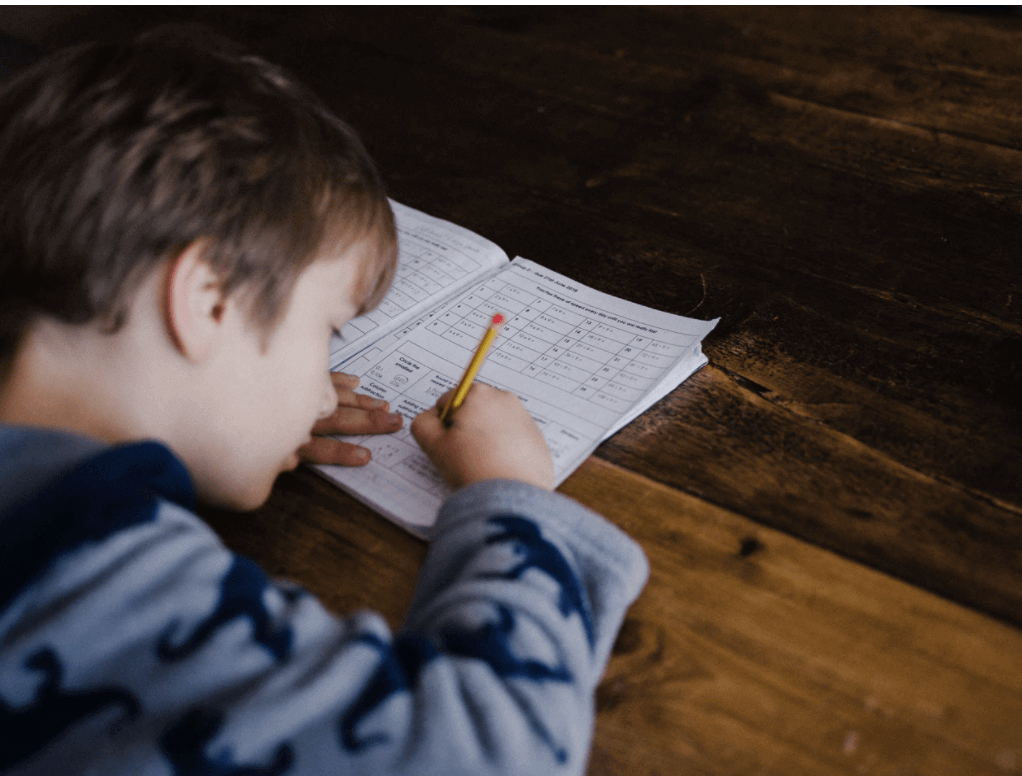
How Poetry Improves Your Child's English: How To Get Your Kids Interested!
What Makes A Good Budding Poet Children are readily and immediately engaged in the power of poetry and its amazing ability to inspire emotions and rea…
/%5BBlog%5D%203%20Strategies%20to%20Develop%20Your%20Childs%20Phonemic%20Awareness%20(Featured).png)
3 Strategies to Develop Your Child's Phonemic Awareness
In this blog post, we delve into the world of phonemic awareness and share three effective strategies to develop this essential skill in young childre…
The Literacy Gap: Why Some Kids Struggle with English Despite Speaking It
Your child chatters away confidently in English at home, can tell lively stories about their day, and has no issues holding conversations with friends…

4 Books For Children Of All Ages That Make Perfect Christmas Gifts
It’s the most wonderful time of the year once again! And there’s nothing children love more about this time of the year than getting their presents. A…

Nurturing Confident Readers in Singapore: How I Can Read’s Phonics Approach Makes a Difference
Learning to read is a fundamental milestone in every child’s development, and phonics plays a crucial role in building this skill. Phonics is a struct…
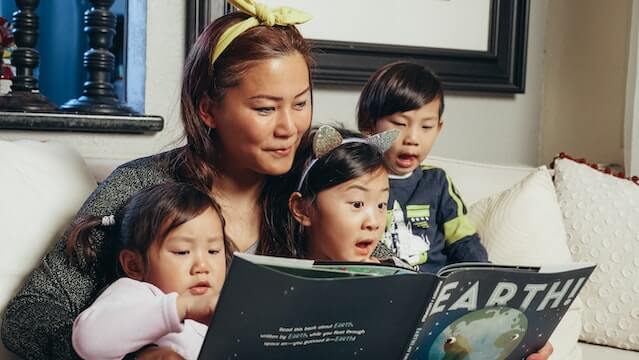
Why Effective Communication Is The Key To Just About Everything!
“Communication is key” is a phrase that’s often tossed around group settings like school, home, or the workplace. Let’s unpack that saying and explore…
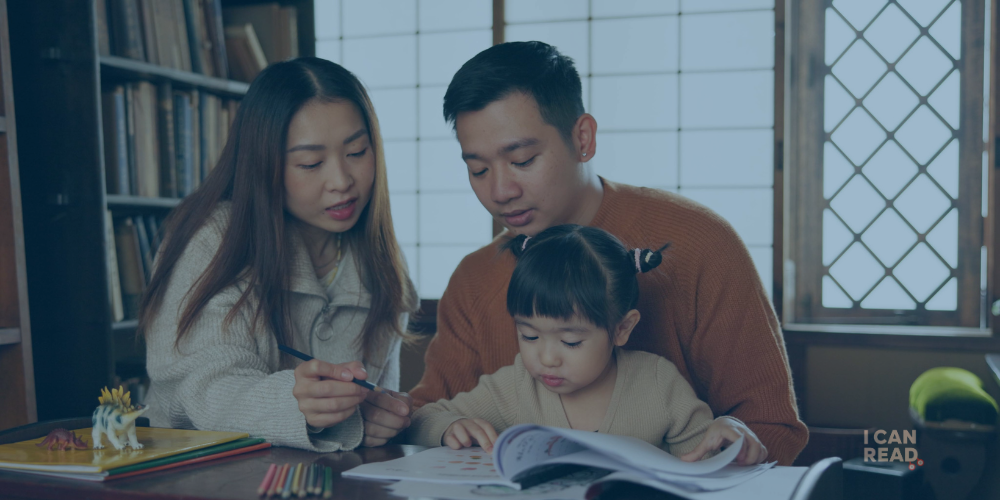
Good Listeners Become Better Readers: The Link Between Listening Skills and Literacy
When it comes to English literacy, parents tend to focus on reading and writing practice. You may have them learn spelling words, practise handwriting…
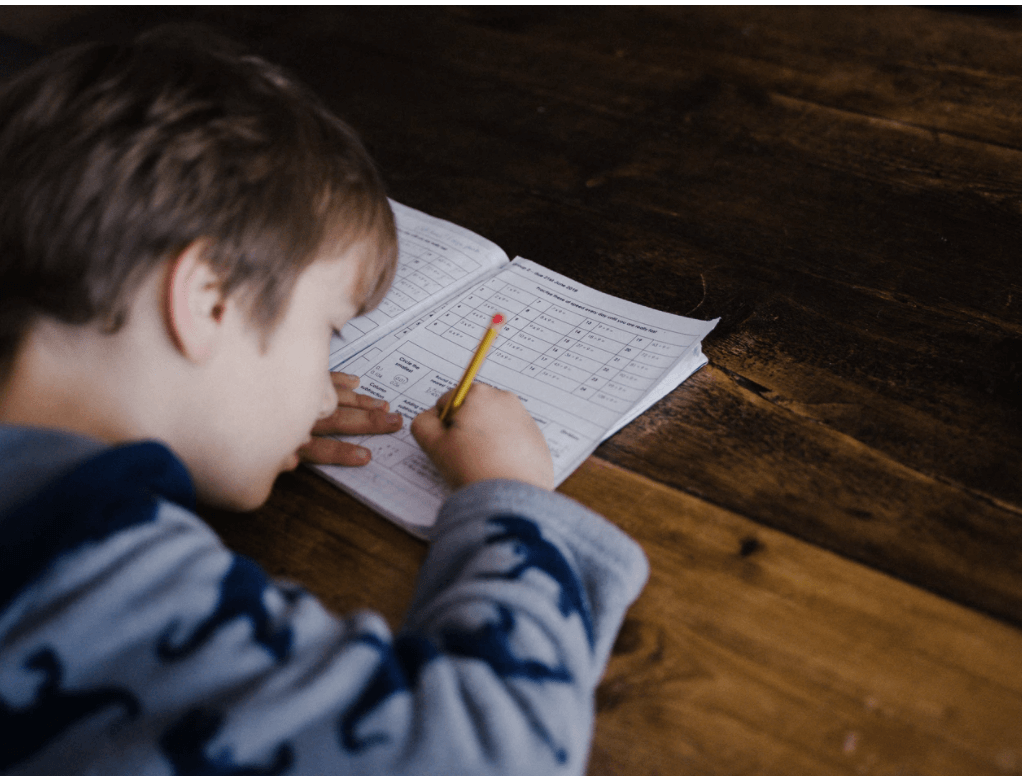
The Importance Of Homework Even At A Young Age And What You Can Do To Help Your Child
Homework is a bit of a touchy subject for younger learners. We often think about practices that are fun and enjoyable like singing songs, learning the…
Building Reading Fluency Through Rhythm, Repetition, and Rhyme
Reading fluency is essential because it allows children to focus on the meaning of the text rather than each individual sound in words. Fluency is not…

Raising Global Kids: Why Early Chinese Lessons Make a Difference
With over 1.1 billion speakers in 2025, Chinese has established itself as the second most widely spoken language in the world after English.
Nurturing a Love of Writing in Children through Creative Journaling
Journaling has long been appreciated for its ability to help people navigate difficult emotions and express themselves in a healthy, creative way.
Choosing the Right Books for Your Child’s Reading Level
Books support cognitive development, improve creativity, and help children develop a lifelong love for reading. So, choosing suitable collections for …
6 Common Mistakes Parents Make When Teaching Phonics (And How to Avoid Them)
Phonics is one of the most important fundamental concepts in learning to read. By connecting the sounds of spoken language (phonemes) with the letters…
The Importance of Phonics in Learning Mandarin
Many parents may associate phonics with learning to read, write, and speak in English. But did you know that phonics is just as essential when it come…
How to Enhance Vocabulary through Fun and Educational Games
Building a strong vocabulary is crucial for every child. However, knowing how to make learning words enjoyable and educational can be challenging for …

Common Reading Struggles in Early Primary: How Phonics Can Help
The early primary years (Primary 1 to 3) are when children are expected to make the leap from learning to read to reading to learn.
How to Integrate Phonics into Pre-Reading Instruction for Early Literacy Success
Phonics is a way of teaching children how letters in the alphabet correspond to sounds in spoken language.
The Importance of Early Literacy Education for Children
Early literacy education refers to children developing reading comprehension, self-expression, and a rich vocabulary at a young age — preschoolers who…



.svg)
